Nh Petition Guardianship Template
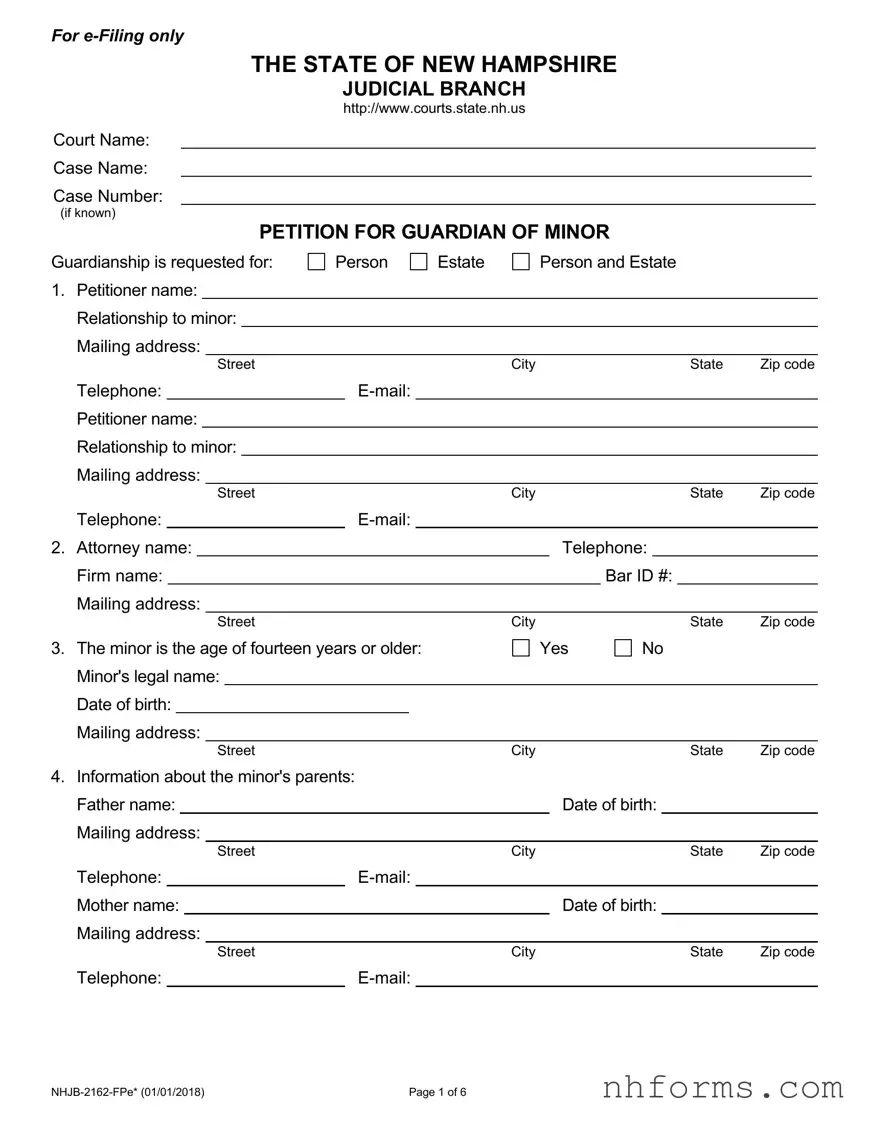
In the state of New Hampshire, navigating the process of establishing legal guardianship for a minor requires a thorough understanding of court procedures and meticulous preparation of essential documents. A pivotal component of this process is the completion and submission of the New Hampshire Petition for Guardianship of a Minor form. This document facilitates the formal request to the court for an individual to be appointed as a guardian over a minor's person, estate, or both. It must be filled out with precise details including the petitioner's information, the minor's personal details, and any relevant background concerning the minor's living situation, parental status, and any potential guardians. Moreover, the form addresses critical legal considerations such as the involvement of the minor in any ongoing court cases, the minor's residency and custody background in compliance with the Uniform Child Custody Jurisdiction and Enforcement Act (UCCJEA), and specific circumstances like the child of activated Armed Services members. Additionally, the form requires disclosures about the minor's safety and the need for confidentiality in certain situations. Filing this petition is a step that demands careful attention to details and accuracy to avoid delays and ensure the child's welfare and rights are adequately protected. Understanding the comprehensive nature of this form and its significant role in the guardianship process is imperative for petitioners navigating the legal system in New Hampshire.
Document Preview Example



Document Breakdown
| Fact | Detail |
|---|---|
| Form Title | Petition for Guardian of Minor |
| Primary Use | Used to request guardianship over a minor for person, estate, or both in New Hampshire |
| Key Sections | Personal details of petitioner and minor, information on minor's parents, details on proposed guardianship, legal questions concerning the minor's custody and living situation. |
| State Specific | Yes, for New Hampshire |
| Governing Laws | RSA 458-A (Uniform Child Custody Jurisdiction and Enforcement Act - UCCJEA), RSA 464-A:42 and laws related to guardianship proceedings in New Hampshire. |
| e-Filing | This form is designated for e-Filing in the New Hampshire Judicial Branch system. |
| Special Sections | Options to include information on other pending legal proceedings involving the minor, requests related to health and safety considerations, and the necessity to attach additional documents for certain answers. |
Detailed Instructions for Writing Nh Petition Guardianship
Filing a petition for guardianship is a significant step that changes both the life of the minor and the petitioner. It's an intricate process that involves detailed information about the minor, the petitioner, and any other parties involved. The process can be complex, but by following a clear, step-by-step guide, petitioners can navigate through the form with confidence. Keep in mind the significance of each piece of information you provide, as it will be thoroughly examined by the court to ensure the best interests of the minor are being served.
- Enter the full legal name of the court where you are filing the petition in the "Court Name" field.
- Fill in the "Case Name" with the minor's name followed by the petitioner’s name, for example, "In the matter of [Minor’s Name], a minor, by [Petitioner’s Name], Petitioner."
- If you know the case number, enter it in the "Case Number" field; leave it blank if unknown.
- Under "Guardianship is requested for," check the appropriate box(es) to indicate whether the guardianship is for the person, the estate, or both.
- Provide the petitioner’s details including name, relationship to the minor, mailing address, telephone number, and email address under Section 1.
- If represented by an attorney, fill in the attorney's name, telephone number, bar ID, firm name, and mailing address under Section 2.
- For the section regarding the minor, indicate if the minor is aged fourteen years or older, and fill in the minor's legal name, date of birth, and mailing address.
- Enter detailed information about the minor's parents including their names, dates of birth, mailing addresses, telephone numbers, and emails under Section 4.
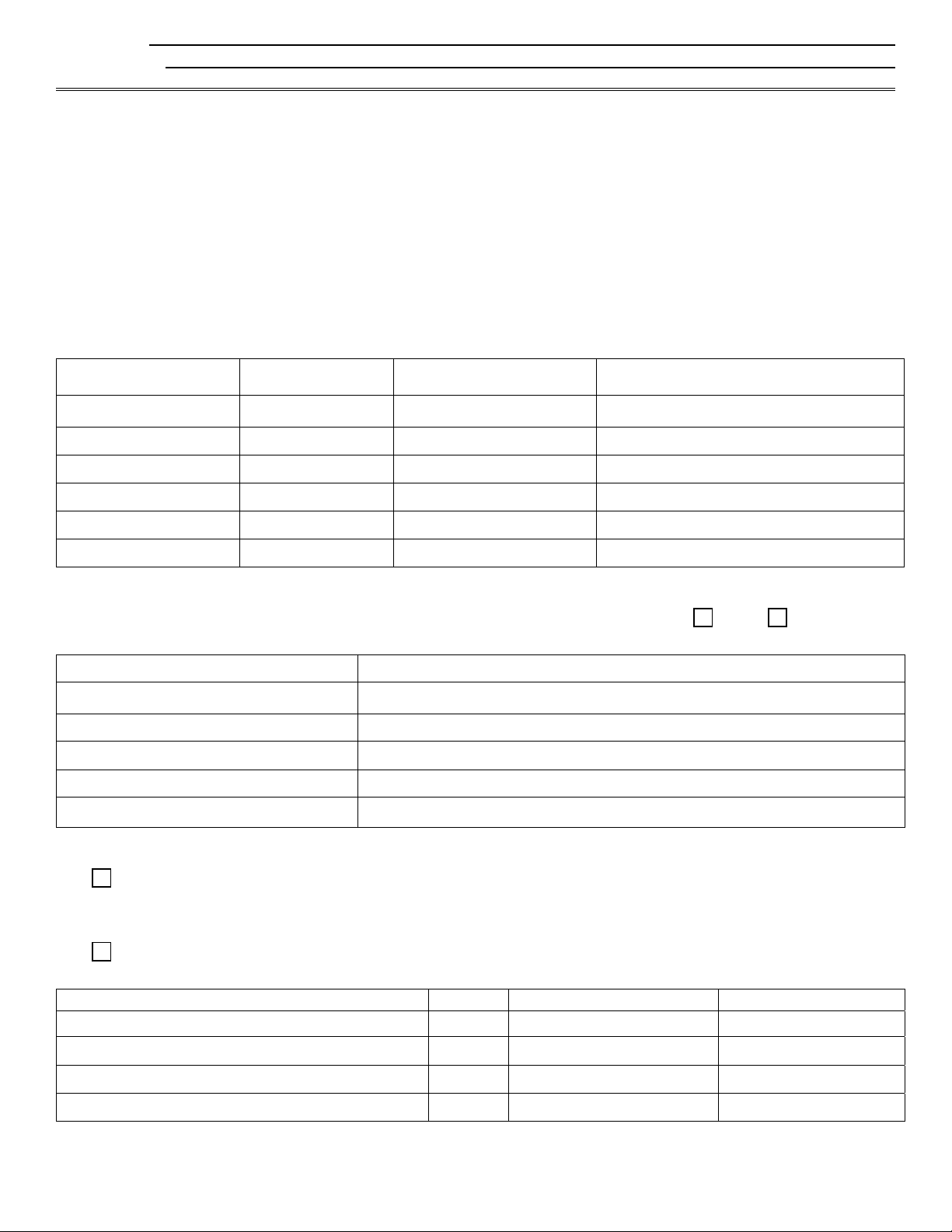
- If both parents are deceased, check the box in Section 5 and provide details of any adult sibling, aunt, uncle, or adult child of the deceased and their relationship to the minor.
- List names and addresses of any person(s) nominated as guardians in the will of a deceased parent in Section 6.
- Answer whether the petition is being filed for a child of an activated member of the Armed Services in Section 7.
- Propose a guardian(s) by providing their name(s), date of birth(s), relationship to the minor, occupation, mailing address, telephone number, and email address in Section 8.
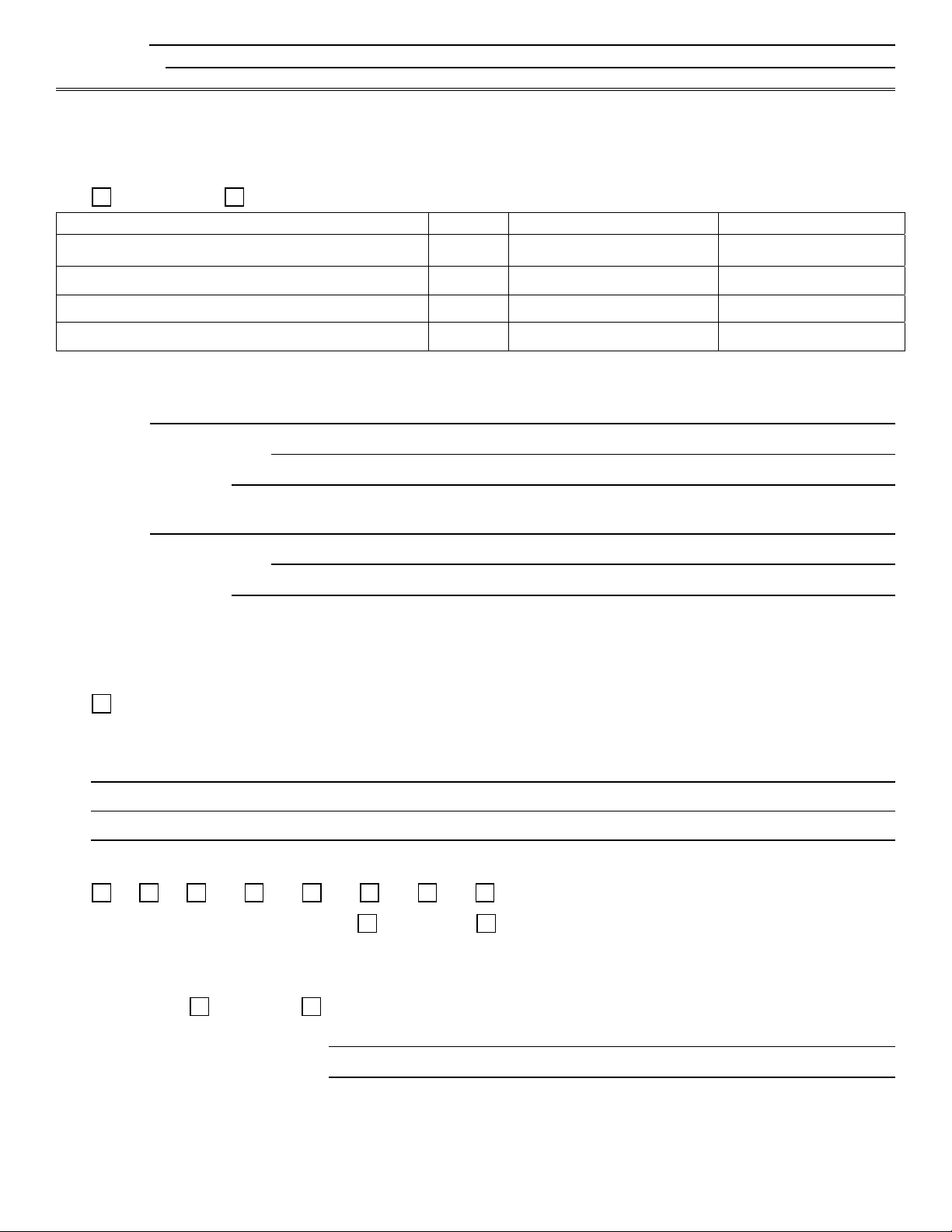
- Fill in detailed past residence information of the minor for the last five years, custody claims, and any past court cases regarding the minor in Sections 9 through 12.
- If applicable, list the names and addresses of persons who had the principal care and custody of the minor in the 60 days preceding the filing of this petition in Section 13.
- Check whether this is an EX PARTE request and if there are other adults living with the minor who are not the proposed guardians in Sections 15 and 16.
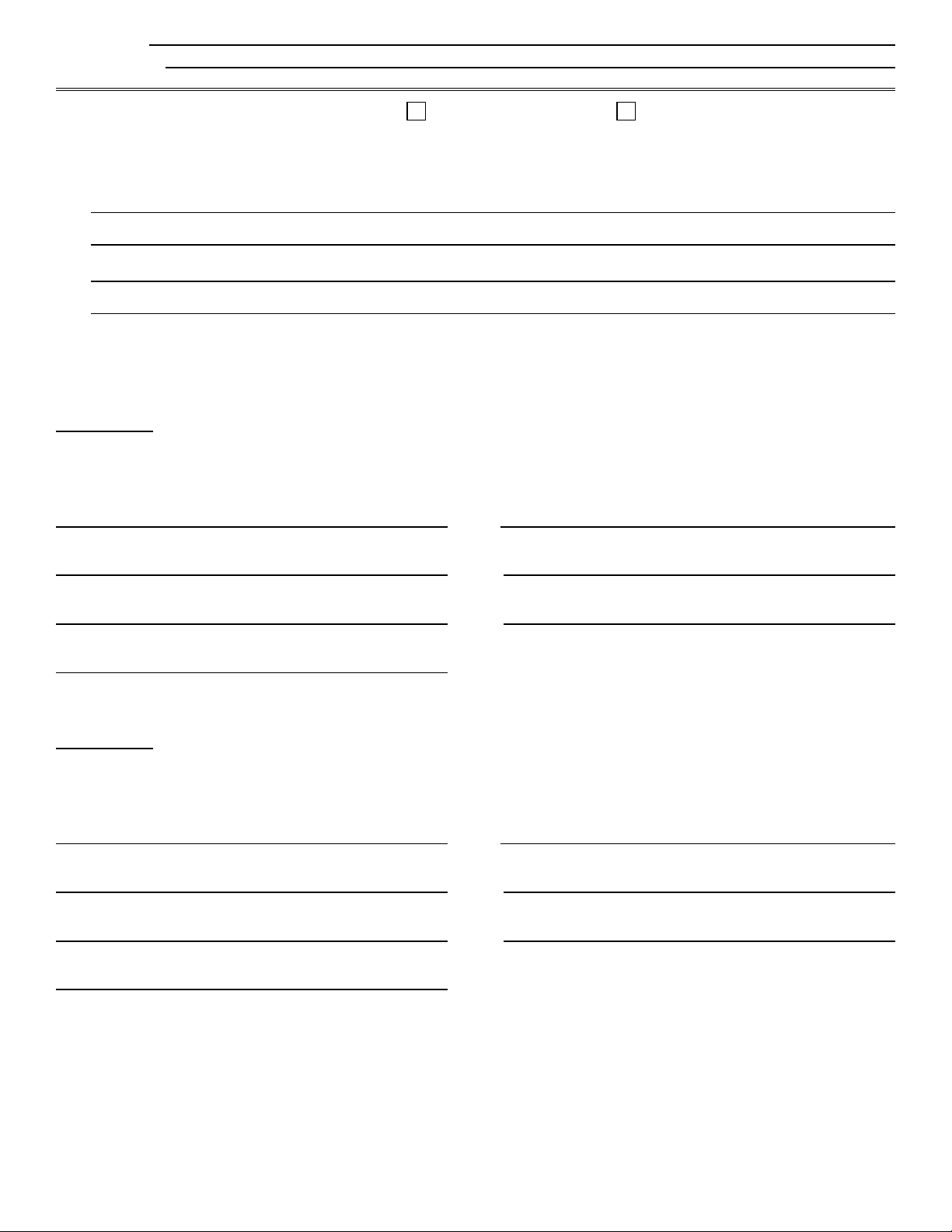
- Answer the questions regarding ongoing proceedings, consideration of adoption, the minor’s entitlement to benefits, existing child support or visitation orders, the reason for restriction of visitation with parents, involvement of the Department of Health and Human Services, the Indian Child Welfare Act applicability, and financial matters in Sections 17-26.
- Attach any required documents as indicated throughout the petition, including a copy of court visitation or custody orders, documentation for pending cases, and guardianship petitions filed in conjunction with minor’s settlement actions.
- Ensure that all information provided is accurate and complete before submitting the form, as inaccuracies can cause delays or impact the outcome of the petition.
After completing and reviewing the petition, it’s important to gather any additional required documentation. This may include consent forms from other parties involved, financial statements, and background check forms for proposed guardians. Once everything is in order, the next step is to submit the petition and accompanying documents to the court either in person or through the e-Filing system, depending on the court’s requirements. Be prepared to follow up with additional information if the court requests it, and consider seeking legal advice to navigate the process more effectively.
Essential Queries on Nh Petition Guardianship
Who needs to fill out the NH Petition Guardianship form?
This form must be filled out by an individual (the petitioner) seeking to become the guardian of a minor in New Hampshire. The petition can request guardianship over the person, the estate, or both, of a minor. This form is necessary when an adult is looking to legally assume responsibility for a minor’s well-being and/or financial matters, especially in cases where the parents are unable or unwilling to care for the child.
What information is required when filing for guardianship?
When filing a Petition for Guardianship of a Minor, you must provide comprehensive information including your name, relationship to the minor, mailing address, and contact details. If applicable, information about an attorney representing you has to be provided. Details about the minor, such as their legal name, date of birth, and address are required. Information concerning the minor's parents, including their names, addresses, and whether they are deceased, is essential. If both parents are deceased, details about a minor's adult relatives must be included. Additionally, you are required to list any person nominated as a guardian in a will, any pending legal proceedings affecting the minor, and any adults living with the proposed guardian. The form also inquires about the minor’s residency history, involvement in other court cases, and any existing custody or child support orders.
What if the information I provide could jeopardize the minor's or my safety?
If disclosing certain information on the petition could threaten the health, safety, or liberty of the minor or the petitioner, the form allows you to indicate this concern. In such cases, you must check the appropriate box under Question 14 and should not disclose the sensitive information. This measure is designed to protect individuals from potential harm, but it is mandatory to notarize the petition before submission if this option is utilized. It's crucial to balance transparency in the guardianship process with safety considerations when necessary.
Are there any additional requirements after filing the petition?
After filing the Petition for Guardianship of a Minor, certain additional documents might be required. For example, if there are other adults living in the household where the minor will reside, the court needs a completed Criminal Record Release Authorization form and a DHHS Record Release Authorization form for each of those adults within 10 days of filing the petition. Furthermore, if there are other ongoing legal proceedings that affect the minor, those proceedings should be detailed and attached to the petition. This ensures that the court has a full understanding of the minor’s circumstances and can make informed decisions regarding guardianship.
Common mistakes
Filling out the New Hampshire Petition for Guardianship form can be a crucial step for those seeking guardianship, but it's easy to make mistakes that could impact the outcome. Here are some common errors:
- Not providing detailed information about the minor's living arrangements over the past five years can lead to delays. It's important to include all the places the child has lived, alongside whom they resided.
- Omitting information on other persons with physical custody or claims to custody, visitation, or parenting time rights can complicate the case. Transparency regarding anyone else's involvement with the child is crucial.
- Failure to disclose participation in previous custody or guardians unofficial dealings can raise red flags. Any past interactions with the court regarding custody should be fully documented.
- Skipping questions about ongoing proceedings. If there are any related domestic violence, adoption, or custody proceedings, it's essential to mention these to provide the court with a full picture.
- Leaving out details of the minor’s parents, if living, like their addresses and contact information, can halt proceedings. Even if parents are deceased, details about guardians or next of kin must be filled in accurately.
- Inaccurate reporting of any pending adoption proceedings, or other legal matters involving the minor, can invalidate the petition. Always verify the accuracy of this information before submission.
- Forgetting to include a notarized statement when alleging that disclosing certain information could jeopardize the minor’s or petitioner’s safety. This oversight can be particularly damaging to the case.
- Neglecting to attach necessary documents, such as previous court orders regarding custody or visitation, can delay the process. Ensuring that all supporting documentation is attached is fundamental.
These mistakes, whether made from oversight or misunderstanding, can significantly delay or affect the guardianship petition's outcome. It's always recommended to double-check the petition, provide complete and accurate information, and attach all necessary documents to facilitate a smoother process. Seeking professional advice or assistance may also be beneficial in navigating this complex procedure.
Documents used along the form
When navigating the process of establishing guardianship for a minor in New Hampshire, the Petition for Guardian of Minor form serves as the foundational document. However, to ensure a comprehensive and robust petitioning process, various other forms and documents are often required to accompany this form. These additional documents play crucial roles in providing the court with the necessary context, background information, and legal assurances needed to make informed decisions about the minor’s welfare and guardianship arrangements.
- Notice of Hearing: This document notifies all interested parties about the date and location of the hearing where the guardianship will be considered.
- Waiver of Notice: Signed by interested parties who do not require formal notification of the guardianship proceedings, indicating their awareness and consent to proceed without a separate notice.
- Guardianship Nomination Form: Used when a parent or current guardian nominates a person to become the guardian in the event of their inability to continue as guardians.
- Background Check Authorization: Required for the proposed guardian and any adults living in the proposed guardian's home, ensuring their suitability for guardianship.
- Medical Consent Authorization: Grants the guardian the power to make medical decisions on behalf of the minor, demonstrating the guardian’s ability to care for the minor’s health needs.
- Financial Statement: If the guardianship includes managing the minor's estate, a detailed financial statement may be required to evaluate the estate and the guardian's ability to manage it.
- Guardian’s Report: A periodic report required by the court to monitor the guardianship, detailing the minor's well-being, circumstances, and any changes in the guardian’s status.
- Guardianship Inventory Form: Document detailing the minor's assets, liabilities, and other financial information at the beginning of the guardianship.
- Guardianship Plan: Outlines how the guardian intends to care for the minor, including living arrangements, education, and healthcare plans.
- Criminal Record Release Authorization Form: Required for conducting a background check on the proposed guardian to ensure the safety and well-being of the minor.
Together, these documents complement the Petition for Guardian of Minor form, creating a thorough and substantial application package. They not only aid the court in making a well-informed decision but also prepare the proposed guardian for the responsibilities they wish to undertake. Each document serves its unique purpose in the process, ensuring all aspects of the minor's care, safety, and financial management are addressed and monitored effectively.
Similar forms
The NH Petition Guardianship form is similar to a number of other legal forms that are used in the guardianship and family law jurisdictions. These documents share features in terms of structure, content, and the level of detailed information required about the minor and the parties involved. Two notable examples include the Application for Appointment of a Guardian of a Minor and the Child Custody and Visitation Application Attachment.
The Application for Appointment of a Guardian of a Minor serves a function similar to the NH Petition Guardianship form in that it is used to establish a legal guardian for a minor. Both forms necessitate in-depth information about the minor, including their name, date of birth, and current living situation. Additionally, they require details about the petitioner, the proposed guardian, and the reason guardianship is sought. Both documents are crucial in providing the court with enough information to make a decision that serves the best interest of the child. This application often necessitates disclosures about the minor's parents and any legal proceedings that might affect the guardianship, closely mirroring the information required by the NH Petition Guardianship form.
The Child Custody and Visitation Application Attachment is another document with similarities to the NH Petition Guardianship form, particularly in the context of providing child-specific information to the court. While the primary purpose of this form is related to establishing custody arrangements rather than guardianship, both forms share the necessity of detailing the minor's living arrangements, the relationship of the petitioner to the minor, and any other individuals significantly involved in the child's life. Furthermore, both documents might entail answering questions pertaining to the child’s safety, the parents' legal status, and any other court cases that may influence the custody or guardianship outcome. The emphasis on the child's well-being and the comprehensive approach to gathering relevant information are central aspects of both forms.
Dos and Don'ts
When completing the New Hampshire Petition for Guardianship of a Minor, there are several important guidelines to follow for a successful application process. These do's and don'ts are critical to ensure that the form is submitted accurately and completely, thereby avoiding unnecessary delays or the potential for rejection by the court.
- Do:
- Ensure that all information provided is current and accurate. This includes the correct names, addresses, and contact information for all parties involved.
- Answer all questions with as much detail and precision as possible, particularly those under RSA 458-A related to jurisdiction and the minor’s past residence locations.
- Attach additional sheets if necessary. If the space provided on the form is insufficient for any of your answers, attach additional pages and clearly indicate which question number they correspond to.
- Notarize the form if completing the section alleging that the minor’s or your health, safety, or liberty would be jeopardized by disclosure. This step is crucial for those sections requiring it.
- Include all required attachments, such as a copy of any existing child support, visitation, or custody orders mentioned in the petition.
- Don't:
- Leave sections blank unless they specifically do not apply to your situation. If a question does not apply, it is better to indicate this with "N/A" or "Not applicable" rather than leaving it empty.
- Forget to provide detailed information related to any court cases involving the child, including those related to custody, visitation, parental rights and responsibilities, or domestic violence. Failing to do so could significantly delay the process.
- Submit the petition without reviewing it for completeness and accuracy. Errors or omissions can result in processing delays or the denial of the petition.
- Overlook the necessity to submit completed Criminal Record Release Authorization form and DHHS Record Release Authorization form if other adults, apart from the proposed guardian, will be living in the same home as the minor. These forms are essential for a comprehensive review of the living arrangement proposed for the minor.
By following these guidelines, you can ensure a smoother process in seeking guardianship through the New Hampshire judicial system. It's essential to approach this task with diligence and attention to detail, given the significant impact the outcome will have on the minor's life and well-being.
Misconceptions
There are several misconceptions regarding the New Hampshire Petition for Guardianship form, often resulting from a lack of clear information or misunderstandings about the legal process of petitioning for guardianship. Here are nine common misconceptions and their clarifications:
Misconception 1: Only family members can file a guardianship petition. Anyone concerned for the welfare of a minor can file a petition, not just family members.
Misconception 2: Filing for guardianship automatically grants you legal rights over the minor. Filing is just the first step. The court must review the petition and approve it before guardianship is granted.
Misconception 3: The process is quick and immediate. The process can take several weeks or months, depending on the complexity of the case and the court's schedule.
Misconception 4: You need an attorney to file for guardianship. While having an attorney can be helpful, especially in contested cases, individuals can represent themselves in these proceedings.
Misconception 5: Guardianship is permanent. Guardianships can be temporary or permanent, depending on what the court deems necessary for the well-being of the minor.
Misconception 6: Parental rights are terminated when a guardianship is established. Guardianship doesn't terminate parental rights but temporarily suspends them; parents can request the court to end the guardianship under certain conditions.
Misconception 7: Once granted, guardianship cannot be challenged or revoked. Guardianship can be contested or revoked if evidence is presented that doing so is in the best interest of the minor.
Misconception 8: A guardian has the same rights as a parent. A guardian has many of the same responsibilities and rights, but not all. For instance, they cannot consent to the adoption of the child.
Misconception 9: The guardian's authority is recognized outside of New Hampshire. While many states will recognize the legality of guardianship established in New Hampshire, it is always wise to check with the local jurisdiction where the guardian and minor will be relocating or traveling to ensure the guardianship is fully recognized.
Understanding the nuances of the guardianship process in New Hampshire can help potential petitioners make informed decisions and navigate the system more effectively. It’s always recommended to consult with a legal professional to address specific circumstances and needs.
Key takeaways
Filing a NH Petition for Guardianship is an important process that requires careful attention to detail and accuracy. Here are four key takeaways to help individuals navigate the application successfully and ensure the protection and welfare of minors in New Hampshire.
Complete Information Is Crucial: Accurately filling out the form requires comprehensive information about the minor, the petitioner, the proposed guardian, and any relevant legal matters. It's imperative to provide detailed past addresses, custody details, and personal information as requested to avoid delays.
Understand the Importance of Jurisdiction: The NH Petition emphasizes the importance of jurisdiction under the Uniform Child Custody Jurisdiction and Enforcement Act (UCCJEA). This section ensures that New Hampshire courts have the appropriate authority to make decisions regarding the minor, especially in complex cases involving multiple states or emergency situations.
Respecting Privacy and Safety: The petition provides an option to withhold certain identifying information if disclosing it could jeopardize the minor’s or petitioner's health, safety, or liberty. This underscores the court's consideration for privacy and the protection of individuals involved.
Legal Implications and Additional Procedures: Filing the petition may necessitate additional forms or actions, such as the Criminal Record Release Authorization form and the DHHS Record Release Authorization form, if other adults will be living with the minor. Also, the form queries about ongoing or contemplated legal actions, including adoptions, which could impact guardianship decisions.
Thoroughly reviewing and understanding each section of the NH Petition for Guardianship is essential for protecting the rights and well-being of minors. It provides a legal mechanism for establishing guardianship, whether for the person, estate, or both, of a minor in challenging circumstances or when the parents are unable to care for their child. As such, approaching this process with the seriousness and diligence it demands is crucial for the future safety and security of the child involved.
Different PDF Templates
Can I Get My W2 From the Irs - Weekly billing to DHHS using the Child Care Payment Request Invoice or an automated web billing system is required.
Nh Condominium - Outlined filing fees structure based on the number of units or interests, with clear guidelines for both initial and subsequent phase filings.